
Summary
Assisted living fall prevention provides comprehensive protection that goes far beyond what most families can achieve at home alone. Learn how senior communities combine thoughtful design, professional oversight, wellness programs, and rapid response systems to help reduce fall risks significantly.
- Purposefully designed environments include wide hallways, smooth flooring transitions, consistent lighting, and accessible bathrooms that reduce tripping hazards and support safe mobility throughout the community
- Trained team members observe residents daily, noticing subtle changes in balance, strength, or fatigue that family members might miss during occasional visits
- Emergency response systems ensure help arrives quickly when needed, often leading to better outcomes and lower complication risks compared to delayed help at home
- Regular wellness classes and structured fitness programs help residents maintain the strength, balance, and flexibility necessary for confident daily movement
- Professional medication oversight identifies side effects that affect balance while coordinating with healthcare providers to address potential fall risks proactively
Falls are one of the most serious safety concerns older adults face. A single fall can lead to injuries, hospitalization, and a loss of confidence that affects everyday life. While many families make thoughtful changes to improve safety at home, those efforts often can't match the comprehensive approach found in a senior living community.
The Forum At Park Lane offers a combination of thoughtful design, professional oversight, and daily wellness opportunities that help reduce fall risks while allowing residents to enjoy a comfortable lifestyle in Dallas. Understanding how assisted living fall prevention works can help families make informed decisions about a loved one's future.
Environmental Design Helps Reduce Fall Risks
One of the biggest differences between living at home and living in a senior living community is that safety is built into the environment from the start. Rather than addressing hazards one at a time, communities are planned with mobility and accessibility in mind.
Key assisted living safety features often include:
- Wide hallways that accommodate walkers and mobility aids
- Smooth flooring transitions that reduce tripping hazards
- Consistent lighting throughout apartments and common areas
- Walk-in showers with non-slip surfaces and assisted living grab bars
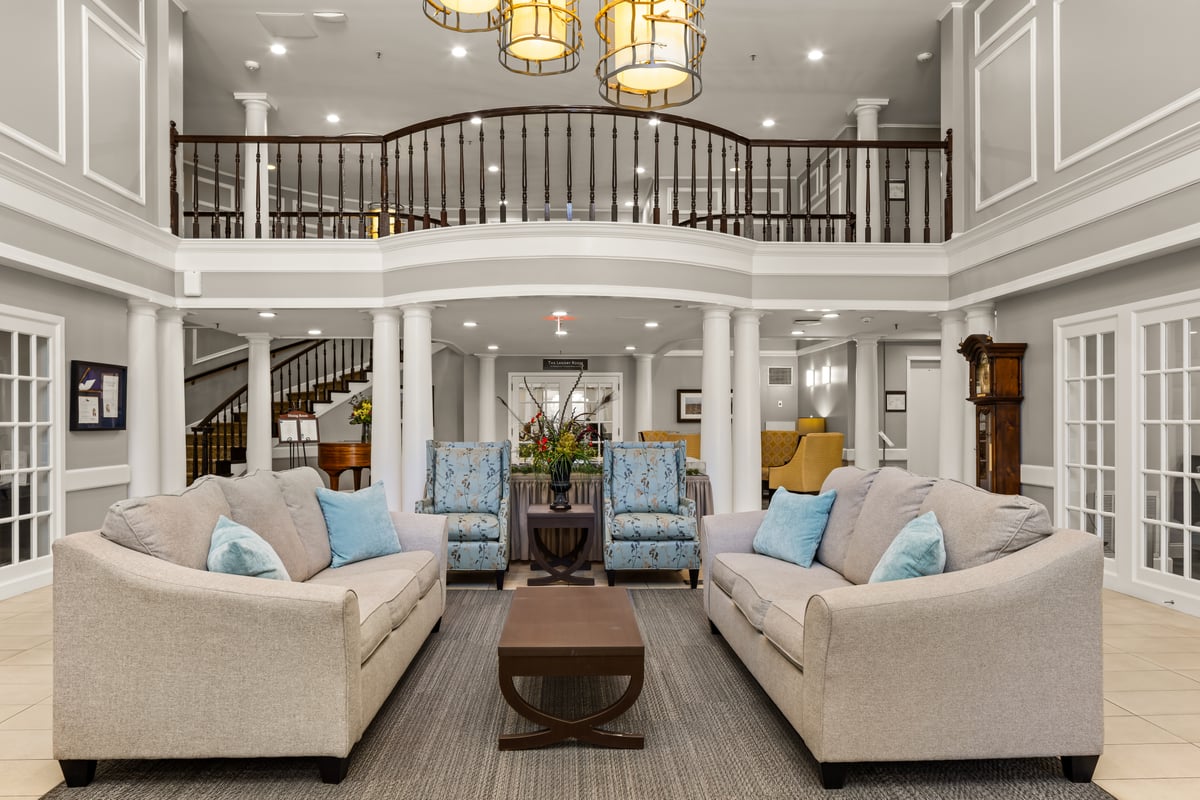
At The Forum At Park Lane, residents can enjoy thoughtfully designed living spaces along with inviting common areas, restaurant-style dining venues, and comfortable gathering spaces that support both convenience and safety throughout the day.
Professional Observation Supports Prevention
Falls rarely happen because of one issue alone. Changes in balance, vision, strength, fatigue, and overall health can all contribute to increased risk. This is where professional oversight can make a meaningful difference.
Senior fall prevention programs often focus on identifying concerns before they become emergencies. Trained team members observe subtle changes that family members may not notice during occasional visits. They may recognize when someone appears less steady while walking, is experiencing increased fatigue, or could benefit from additional assistance with daily routines.
This ongoing awareness creates opportunities to address concerns early rather than reacting after an injury occurs. For many families, that added layer of observation provides valuable peace of mind.
Faster Emergency Response When Every Minute Matters
One of the challenges of aging at home is what happens after a fall. Even with personal emergency devices, individuals may not be able to reach or activate them following an accident.
Senior living emergency response systems provide multiple layers of protection, including:
- Regular wellness checks throughout the day
- Awareness when a resident misses meals or scheduled programs
- Prompt response from team members when assistance is needed
- Professional care after falls begins quickly rather than hours later
When help arrives sooner, residents often experience better outcomes and a lower risk of complications associated with prolonged time on the floor.
Building Strength Through Daily Wellness Opportunities
Fall prevention is about more than responding to emergencies. It also involves helping older adults maintain the strength, balance, and flexibility needed for everyday movement.
Many senior fall prevention programs include exercise classes and wellness opportunities tailored to older adults. These programs encourage regular movement in a structured, social environment that can be easier to maintain than exercising alone at home.
At The Forum At Park Lane, residents have access to a variety of lifestyle and wellness offerings that encourage engagement and daily activity. Whether participating in fitness classes, enjoying community events, or simply walking throughout the beautifully maintained community, residents have opportunities to stay active while building confidence in their mobility.
Medication Oversight and Safety Awareness
Certain prescription medications can contribute to dizziness, drowsiness, or balance changes that increase fall risk. In a senior living setting, trained team members can help monitor for changes and communicate concerns when needed.
Additional fall prevention measures may include:
- Monitoring for side effects that affect balance
- Encouraging proper hydration and nutrition
- Helping residents maintain safe daily routines
- Coordinating with healthcare providers when concerns arise
This proactive approach helps identify potential risks before they lead to an accident.
Why Assisted Living Can Be a Safer Choice
While home modifications can certainly improve safety, they typically address only part of the challenge. Assisted living fall prevention combines environmental design, professional observation, wellness opportunities, and rapid response systems into one coordinated approach.
For many older adults, this combination provides greater confidence and security while reducing the risks associated with living alone. Communities like The Forum At Park Lane offer residents the opportunity to enjoy maintenance-free Independent Living and assisted living options while benefiting from thoughtfully designed surroundings and a strong focus on well-being.
If fall concerns are becoming more common for someone you love, it may be time to explore whether a senior living community can provide additional peace of mind and a safer daily experience.
Schedule a tour at The Forum At Park Lane to learn more about the community's approach to safety, wellness, and comfortable senior living.